
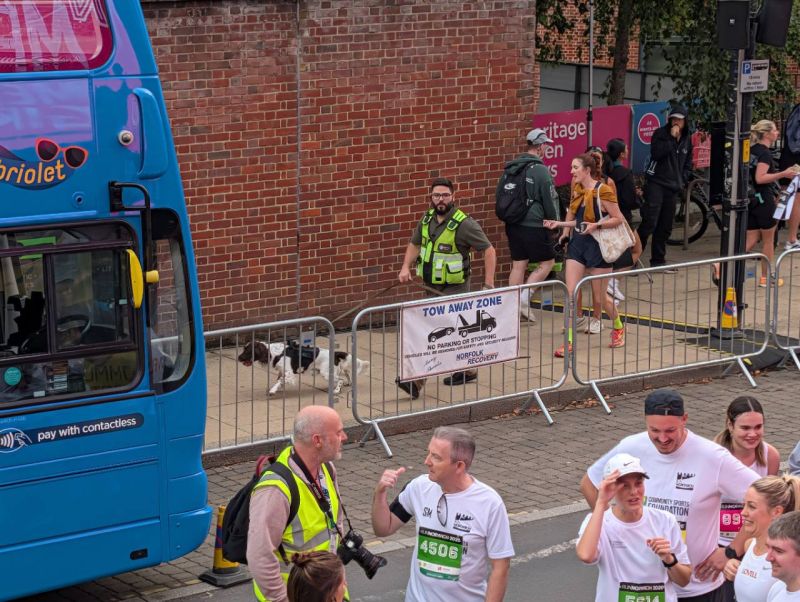
Helping people enjoy an event starts with helping them feel safe. Visitors want to know where to go, what to expect and who can help if something is wrong. Staff, suppliers and volunteers need the same clarity, even though their responsibilities may differ.
In our recent event security update, Norvic Security Group highlighted the importance of an approachable presence and a team that understands its environment. Security planning should support the way an event works, with professional conduct and clear communication helping people move through the experience with confidence.
The first interaction matters
For many visitors, a security team is among the first points of contact on arrival. A greeting, an explanation or a helpful direction can shape how that person experiences the venue. Clear information can also reduce confusion before it develops into a more difficult conversation.
An approachable manner does not remove the need for firm boundaries. Where a rule or procedure applies, people should receive a clear explanation and consistent treatment. The aim is to carry out the task professionally while recognising that visitors may be unfamiliar with the site or its requirements.
Event organisers can support that approach by considering the information people receive before arrival. Instructions about access, prohibited items or available assistance should be easy to find and consistent with the briefing given to staff. Mismatched messages can create avoidable frustration at the entrance.
Plan around the actual event
A security plan needs to reflect the venue, audience and activity. The layout of a site, arrival patterns, operating hours and responsibilities of different teams all affect what support may be appropriate. An indoor exhibition and an outdoor event will not necessarily need the same arrangement.
Early conversations give organisers and security providers an opportunity to understand those details. They can discuss where visitors need assistance, how suppliers access the site and how information will reach the people responsible for decisions. This helps clarify the purpose of each part of the plan.
Assumptions should be checked. A route that looks simple on a drawing may need further consideration when queues, deliveries or accessibility requirements are taken into account. Reviewing the practical arrangements together can reveal questions that are harder to resolve once an event is underway.
Specialist support should have a defined role
Norvic provides specialist detection-dog teams, behavioural detection and professional guarding, with support tailored to the venue and its requirements. Each capability should be considered in relation to an identified need and the wider security arrangements.
For an organiser, the useful questions concern purpose, suitability and coordination. What is the team being asked to support? Where will it operate? How will concerns be reported, and who is responsible for the next decision? Clear answers help specialist personnel work alongside the wider event team.
Behavioural observations require context and professional judgement. A person appearing nervous or unfamiliar with a venue is not, by itself, evidence of harmful intent. Respectful engagement and appropriate escalation are important when considering any concern. Security activity should remain proportionate and consistent with the responsibilities of those carrying it out.
Brief the people who work together
An event brings together groups who may not work alongside one another regularly. Security personnel, venue staff, contractors and volunteers need to understand how their responsibilities connect. A shared briefing can help establish those relationships before the public arrives.
Useful briefing topics include communication channels, reporting arrangements, relevant access procedures and where to obtain assistance. People should know who can make decisions and how to reach them. They should also understand which matters fall outside their own role.
A briefing is more useful when it allows questions. Someone working at an entrance may notice a practical issue that is less obvious to a person coordinating from elsewhere. Giving teams a chance to clarify instructions can improve understanding across the site.
Keep the visitor experience in view
Security requirements should be considered alongside accessibility and the needs of people using the venue. Clear signs, understandable explanations and a respectful response to requests for help can make arrangements easier to navigate. Organisers should identify who handles assistance and how security staff can direct people appropriately.
After an event, feedback can help identify what worked and where communication or arrangements could improve. The purpose is to learn from the actual experience, including routine interactions, rather than review only incidents. Small practical improvements may make the next event easier for staff and visitors alike.
Start with a conversation
If you are planning an event or reviewing security at your venue, Norvic would be pleased to discuss your requirements. Sharing the venue, audience, activity and concerns gives that conversation a useful starting point.
An approachable security presence works best when it is supported by preparation and a clear understanding of the setting. That is the focus of our message: professional support that fits the environment and helps people feel welcome as well as safe.