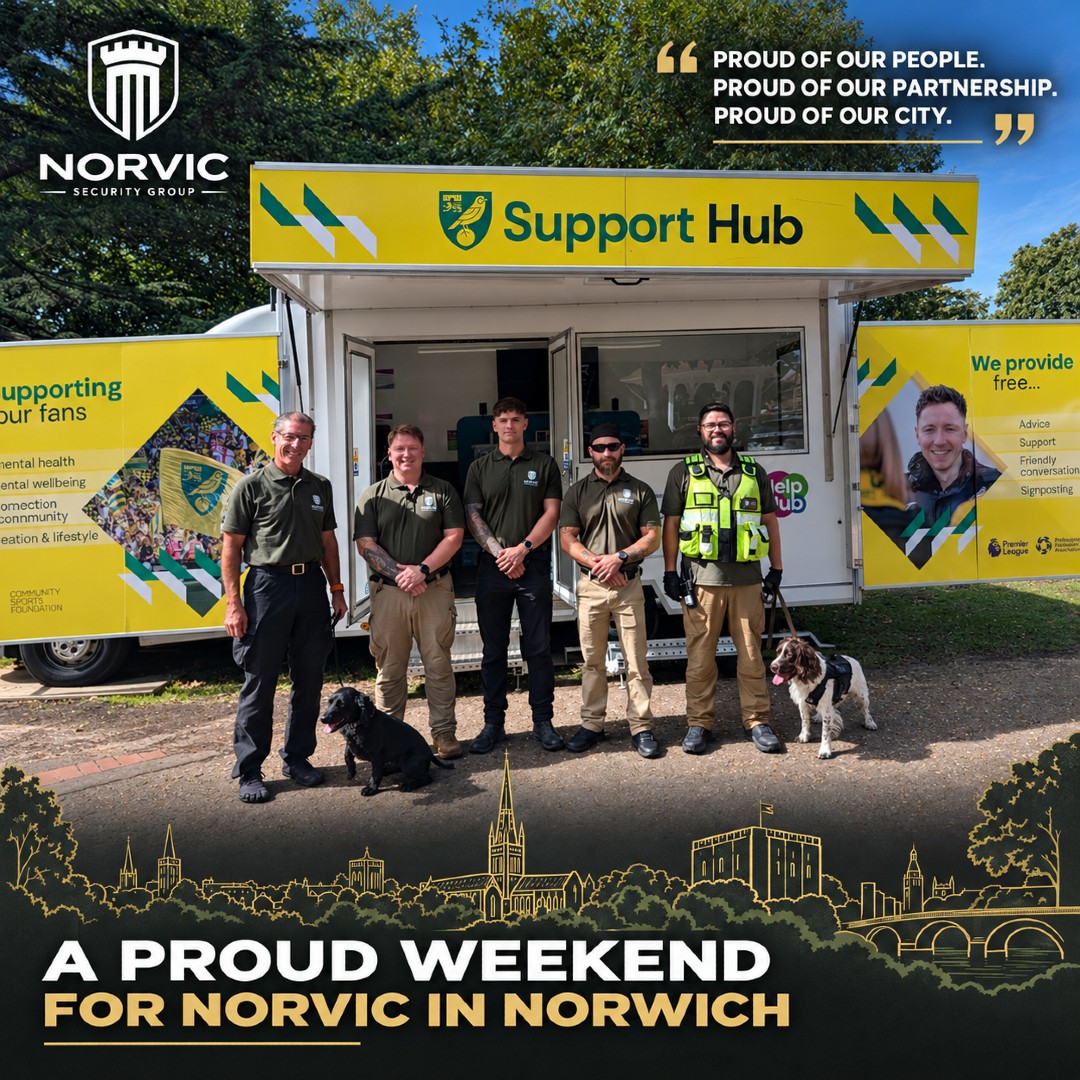
Planning specialist support for another public event
Start with the event's own pattern of activity
The Run Norwich assignment combined advance planning with a defined specialist contribution. A different event will need its own assessment. The following considerations help organisers prepare that conversation; they should not be read as a requirement to copy the personnel numbers or deployment described above.
Explain how the event uses its location over time. A start area, spectator space and finishing point may each have a different pattern of activity. Include the periods before and after the main programme, along with any separate associated events. This gives a planning discussion more substance than attendance figures alone and helps identify where specialist support may have a useful purpose.
Connect the specialist task with the wider plan
Each capability needs a clear task and a connection to the people coordinating the event. For detection dog support, discuss the purpose of the search, the areas involved and the arrangements for communicating a concern. For observation roles, explain the setting and the route for sharing relevant information. Personal protection has its own brief and should not be confused with general responsibility for the whole venue.
The wider event team needs to understand those distinctions too. A volunteer or venue representative should know where to direct a question without being expected to interpret every specialist role. A shared point of contact can help information reach the right people while preserving the individual responsibilities of each team.
Keep public interaction grounded in context
Public events bring together people with many ordinary reasons for behaving differently. Someone may be looking for a friend, waiting for instructions or feeling nervous about taking part. Observation needs to be understood in that setting. A factual description and a respectful conversation are more useful than assumptions based on appearance or an unfamiliar manner.
Organisers can help by explaining normal activity and the information visitors are likely to need. Consistent directions, recognisable location names and an understood route for seeking assistance support both the visitor experience and operational communication. Specialist personnel remain part of that wider human setting, rather than working apart from the purpose of the occasion.
Plan the review as well as the deployment
A review is most useful when it asks specific questions. Did personnel receive the information they needed? Were changes passed on clearly? Did the agreed contact structure work for the teams involved? Feedback should distinguish direct observations from assumptions and should reach the organisation responsible for the wider event plan.
Identify practical changes that can be carried into the next briefing, rather than collecting comments without an owner. An improved location reference or clearer handover instruction may be straightforward to address. Record who will consider each point and whether it affects the next event's assessment.
The Run Norwich case records Norvic's particular contribution within a shared operation. For your own event, start with the location, timing, public interaction and existing arrangements. Norvic can discuss which capabilities are relevant and what preparation they would require. The aim is to establish a contribution that makes sense for your event, with responsibilities that the organiser, existing providers and attending personnel can all understand.