
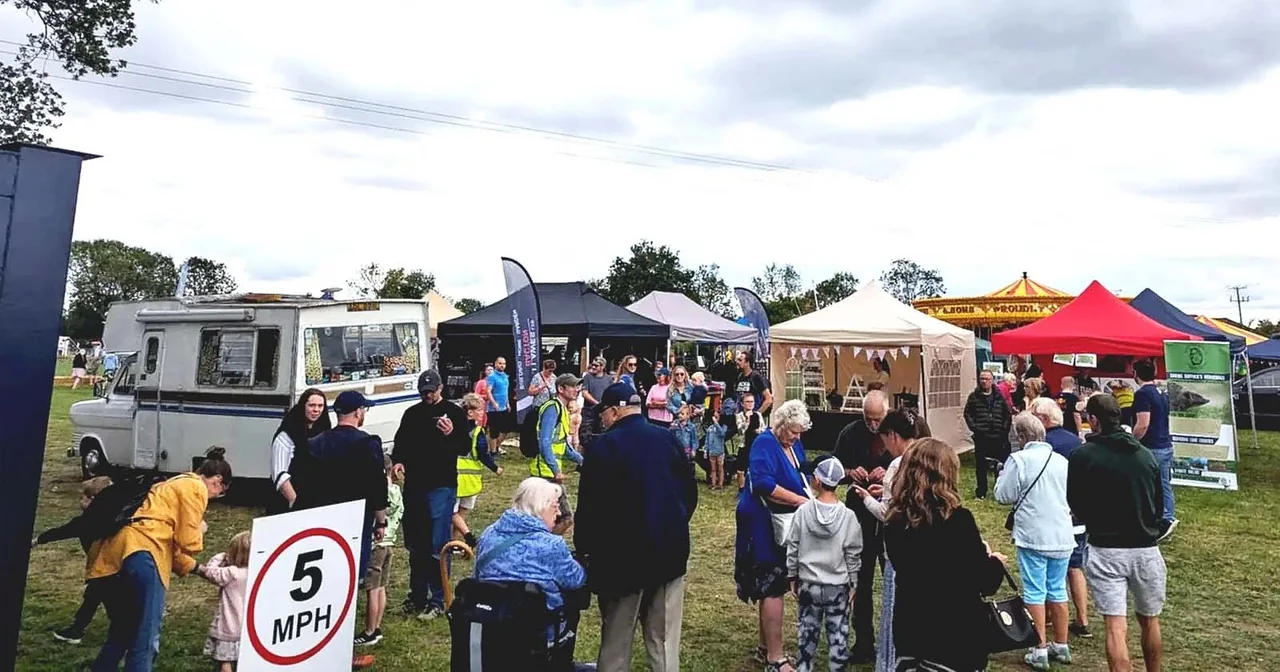
Our four-person team supported Bacton Flower Fair in Suffolk during the weekend covered by our 3 August 2026 update. We thanked the organisers, volunteers, traders and visitors for a successful community occasion and were pleased to play our part. The post also discussed how drone technology can support visibility across an event site. This followed our earlier August 2025 message celebrating a day at Bacton and looking forward to returning.
A community event with many contributors
A flower fair brings together people with different reasons for attending. Some come to exhibit, some to trade and others to enjoy a day with family or friends. Behind the public programme are organisers and volunteers coordinating the practical work. Security personnel join that wider effort. Understanding how the event is intended to operate helps them provide support that feels appropriate to the occasion.
Our account of Bacton recognises that shared effort. We did not organise every part of the fair, and the work of local volunteers and traders deserves its own acknowledgement. A security team can make a useful contribution when its duties are understood and it has a clear route for communicating with those responsible for the event. Cooperation begins before the public arrives.
Prepare for an outdoor setting
For organisers planning a similar fair, the site layout is a useful starting point. Think about how people will arrive, where they will ask for information and how the public areas connect with working spaces. Temporary arrangements can be unfamiliar even to people who know the location well. A briefing should describe the event as it will operate on the day.
Visitors may move between displays, stalls and other attractions throughout the programme. Staff need consistent information about the routes and arrangements they are expected to explain. That does not mean every person needs the entire operational plan. It means each team should receive the information relevant to its role and know where to take questions that fall outside it.
Visibility from the ground and above
Our 2026 post highlighted the potential of drones to provide an overview of busy sites and support teams on the ground. An aerial view can offer a different perspective, but it needs a defined purpose. The useful question is what information would help the operation and how that information would reach the people responsible for acting on it.
Any proposed flight requires its own assessment of the environment and applicable requirements. Drone support should not be assumed suitable simply because an event occupies a large area. Public attendance, weather and the surroundings matter. Organisers should discuss the intended task with the operator and understand the limits, including the possibility that conditions prevent a flight.
Keep communication straightforward
At a community event, clear communication is often more useful than complicated terminology. Personnel should know who is coordinating their work and how to describe a location in a way others understand. A stallholder reporting a concern may use a different landmark from someone working at an entrance. Agreeing simple references in advance can make the conversation easier.
The same applies when arrangements change. An organiser might adjust a route or timing during the day. Updates should reach the people whose duties are affected, including anyone beginning a later shift. A brief handover helps prevent different teams from giving contradictory information or continuing to work from an earlier version of the plan.
An approachable presence
A member of the public may approach a security officer for directions or help finding the appropriate organiser. The response shapes their experience of the event. Listening, explaining clearly and involving the right person can resolve a small difficulty without unnecessary frustration. A welcoming approach sits alongside vigilance; the two are part of the same professional service.
Family events also require sensitivity when somebody needs extra support. Personnel should understand the event’s agreed procedures and the limits of their role. They should know how to contact the relevant safeguarding or welfare lead rather than improvising arrangements. The aim is to help the visitor reach appropriate assistance while maintaining dignity and discretion.
Looking ahead
Our messages from Bacton reflect appreciation for the community and for everyone involved in putting on the fair. The 2026 update recorded a four-person Norvic team; it does not establish a standard staffing number for other occasions. Each event needs its own discussion of duties, timing and the support already in place.
We look forward to discussing further community-event requirements across Suffolk and the surrounding region. If you are planning a fair, start with the programme, site and people involved. Tell us where additional support would be useful and whether you want to explore specialist capability. Norvic can then help develop a clear brief that fits the occasion and works alongside the wider organising team. Each enquiry deserves that individual planning discussion.