
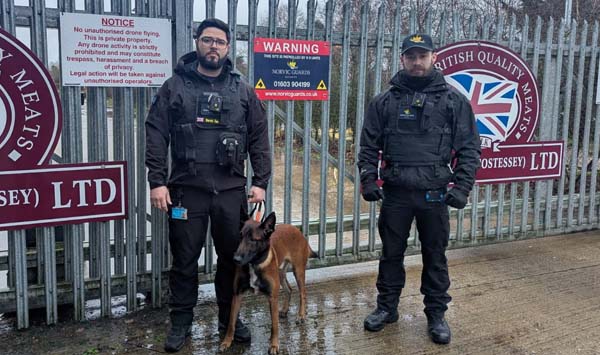
Our International Overdose Awareness Day post on 31 August connected security with welfare and dignity. It also discussed drug-detection dog teams as a specialist capability that can support an organisation’s approach to drug-related risk. Those themes belong together. A responsible operation considers how concerns are identified, how people are treated and what happens next. A search resource should form part of an agreed policy and response, rather than stand alone as a visible gesture.
Begin with the actual setting
Drug-related concerns can arise in very different environments. An event, workplace, education setting and industrial operation do not share identical routines, responsibilities or vulnerabilities. Start by understanding the organisation’s policy and the purpose of any proposed support. What area or activity is being assessed? Who owns the relevant decisions? Which people need to understand the arrangement? Defining those questions provides a more useful starting point than choosing a resource by appearance.
Safety-critical work introduces particular considerations because a person’s ability to perform a task may affect colleagues and equipment. That does not mean security personnel should diagnose impairment or decide medical questions beyond their competence. An observation can be reported through the appropriate process, with management and qualified professionals involved where required. A clear arrangement distinguishes a security concern from a welfare need and gives each a suitable route for assessment.
Give the dog team a defined task
A specialist deployment needs clear objectives, appropriate handler competence and an understanding of the substances or search purpose involved. The organisation should establish which areas are within scope and how the team integrates with normal operations. The handler needs information about the environment, restrictions and points of contact. Those details should be agreed before work starts, so the team can carry out a purposeful task within the intended boundaries.
Permissions, workplace arrangements and search procedures must also be established for the setting. A promotional description cannot answer those questions for every organisation. Where the requirement touches employment policy, safeguarding or personal information, involve the responsible people and seek suitable advice. The HSE’s drug and alcohol policy guidance is a useful starting resource for employers. Security support should complement an organisation’s considered approach, rather than create a policy by default.
Agree what follows an indication
A dog’s indication needs an established response procedure and further assessment. It should not be treated as an automatic public finding about a person. The team should know who receives the information, who makes the relevant decision and how the circumstances are recorded. Clear separation between an observation and a conclusion helps avoid unnecessary accusations. It also gives management a dependable process for reviewing information rather than reacting to an improvised account.
Discretion is particularly important in public-facing environments. People should not be humiliated, discussed casually or presented as a spectacle while a concern is assessed. Security personnel need to communicate calmly and remain within the agreed procedure. Where police involvement is appropriate, the reporting route should be understood. Maintaining dignity does not mean ignoring a concern; it means addressing it through a professional process that respects the people involved and the facts available.
Keep welfare visible
Someone becoming unwell needs appropriate assistance, regardless of the suspected cause. Security personnel should act within their training, follow the setting’s emergency arrangements and request medical help when needed. An urgent threat to life requires emergency assistance. A welfare response must not wait while people debate an unverified explanation. The person’s condition and needs should guide the appropriate response through the professionals responsible for providing care.
Our social message challenged the assumption that every security incident is a confrontation. Some situations call for patience, privacy and help. A clear handover to medical personnel can explain what was observed and what action has been taken without pretending to establish a diagnosis. Staff should avoid circulating personal details beyond the relevant response team. Accurate reporting and compassionate treatment are compatible parts of a professional operation, not competing priorities.
Review the whole arrangement
An organisation should consider how a deployment will be evaluated. Were objectives clear? Did the team understand the setting? Could information reach the right decision-maker? Did the response procedure work as intended? These questions focus attention on the quality of the arrangement rather than an impressive-looking presence. Any records should be proportionate to their purpose and handled through the organisation’s established information-management process, with appropriate responsibilities for access and retention.
Norvic’s published post described support for events, education, workplaces and industrial environments. Each enquiry needs its own assessment of suitability, scope and arrangements. Tell us about the broad setting and the reason you are considering specialist support, keeping sensitive details for a private conversation. A responsible drug-detection discussion begins with policy, purpose and welfare. From there, the right people can establish a practical response that supports safety while treating individuals with respect.