
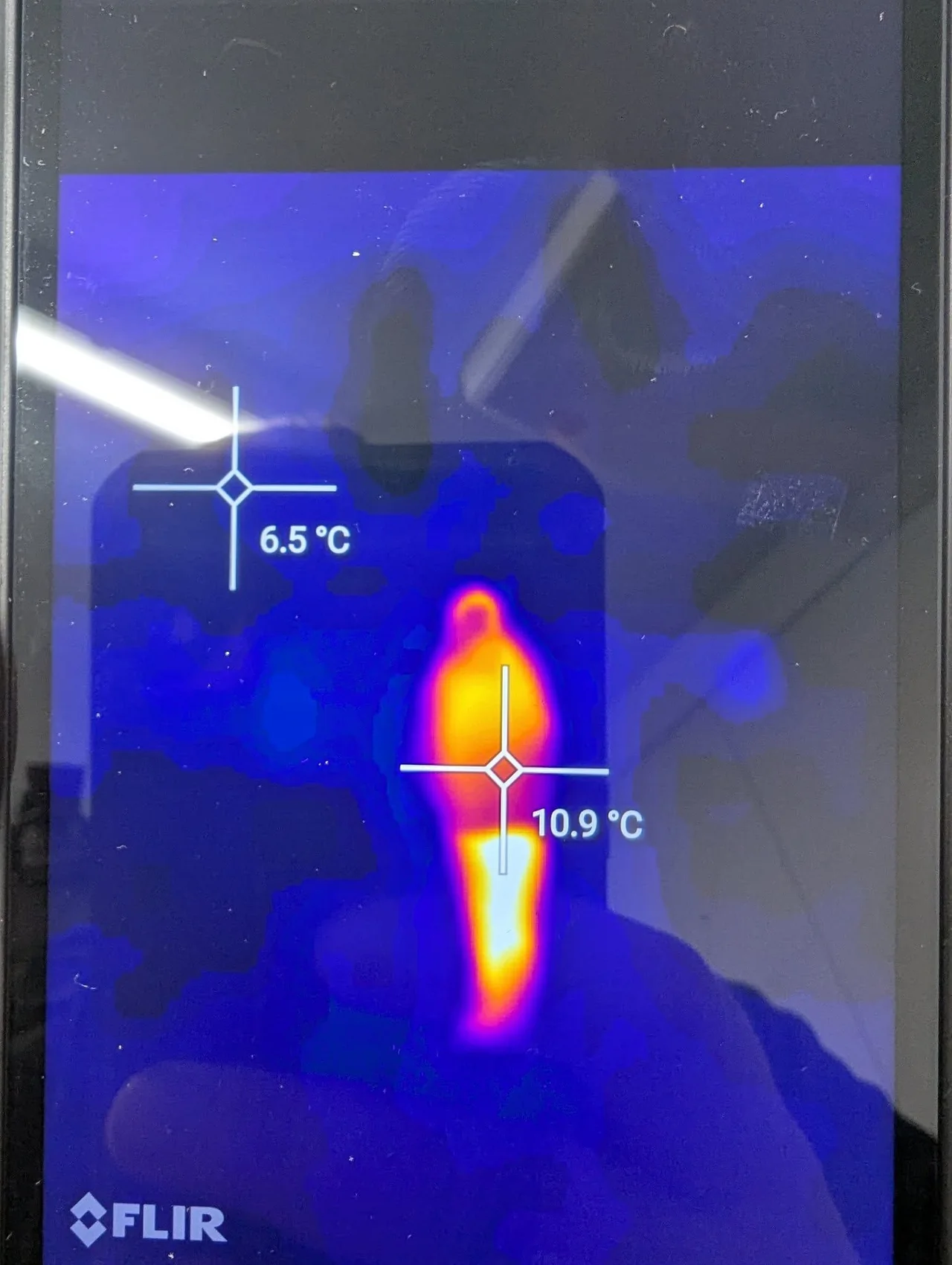
Thermal imaging can give a security team useful information when visible detail is limited. Rather than relying on reflected visible light, a thermal camera detects infrared radiation and represents differences in temperature. That can help personnel notice activity in darkness and assess where further observation is needed. It is a supporting tool within a security operation, with strengths and limitations that should be understood before a system is selected or a task is planned.
Begin with the site
The useful question is not simply whether a camera can produce a thermal image. It is whether the proposed equipment and operating arrangement can support the site’s actual requirement. Boundaries, buildings, vegetation, distance and the activity around a location affect what personnel need to observe. An assessment should consider where information is needed and what action can follow.
Our October 2025 social update announced work with HG Blakes and an intention to introduce thermal imaging. That historical announcement illustrates the connection between a customer requirement and a developing capability. It does not disclose a current site layout, equipment position or operating schedule. Those details remain part of an appropriate private discussion with the relevant client.
Darkness is only one factor
A thermal camera can operate without visible illumination, but that does not mean performance is identical in every environment. Weather, distance, obstructions, temperature contrast and equipment specification can affect what is visible and how confidently it can be interpreted. A system should be assessed for the conditions in which it is expected to work, rather than relying on an absolute claim about visibility.
It is also important to distinguish noticing a possible subject from recognising useful detail. A thermal image may indicate activity without establishing who a person is or why they are present. Additional observation, contextual information or another camera view may be needed. The operator’s judgement remains central to deciding what the image supports and what remains uncertain.
Combine information appropriately
A security team may draw on several sources: visual observation, access records, reports from colleagues and camera information. Each contributes something different. An unexpected heat signature should be considered in the context of the site and the activity that is supposed to be taking place. Equipment alone cannot explain whether a person is authorised or whether a particular movement is concerning.
The response should follow the agreed procedure. Personnel need to know who receives a report, how the location is described and what further checks are appropriate. A clear communication route helps turn an observation into useful information. Without that route, additional visibility can generate more uncertainty rather than a better understanding of the situation.
Understand false alerts
Thermal systems can encounter animals, machinery and other sources of heat as well as people. Their performance depends on the equipment, configuration and environment. It would be inaccurate to promise that thermal imaging eliminates false alarms or makes every detection conclusive. Operators should understand the situations that commonly require further assessment at their particular location.
Reviewing alerts can help identify recurring issues with positioning, configuration or interpretation. A useful review asks whether the information was meaningful and whether the response was proportionate. It should distinguish equipment performance from the quality of the procedures around it. Changing one element without considering the others may leave the underlying issue unresolved.
Support people on the ground
Information from a thermal view can help personnel understand where activity may be occurring before they move to another part of a site. That does not remove the need for safe working arrangements, communication and appropriate supervision. Officers should not be expected to act on an uncertain image without knowing the agreed response and the support available.
Reporting should describe what was observed accurately. Avoid turning an indistinct image into a definite claim about identity or intention. Where recordings form part of the arrangement, access, handling and retention should follow the organisation’s applicable policies and requirements. The objective is useful information, handled responsibly.
Keep the arrangement under review
A site can change after equipment is installed or a monitoring arrangement is agreed. New structures, parked vehicles, growing vegetation or altered working hours can affect the view and its usefulness. Periodic review helps establish whether the original assumptions still match the environment. Personnel should have a way to report changes that affect their ability to observe.
Thermal imaging is most useful when its role is specific and realistic. It can complement trained personnel and other measures, but it does not replace an understanding of the site. Norvic can discuss your operating environment, visibility concerns and the wider security requirement. Start with the problem you need to address, and we can consider whether thermal capability has an appropriate part to play. Clear objectives and an understood response process help the team make better use of the information available to them.