
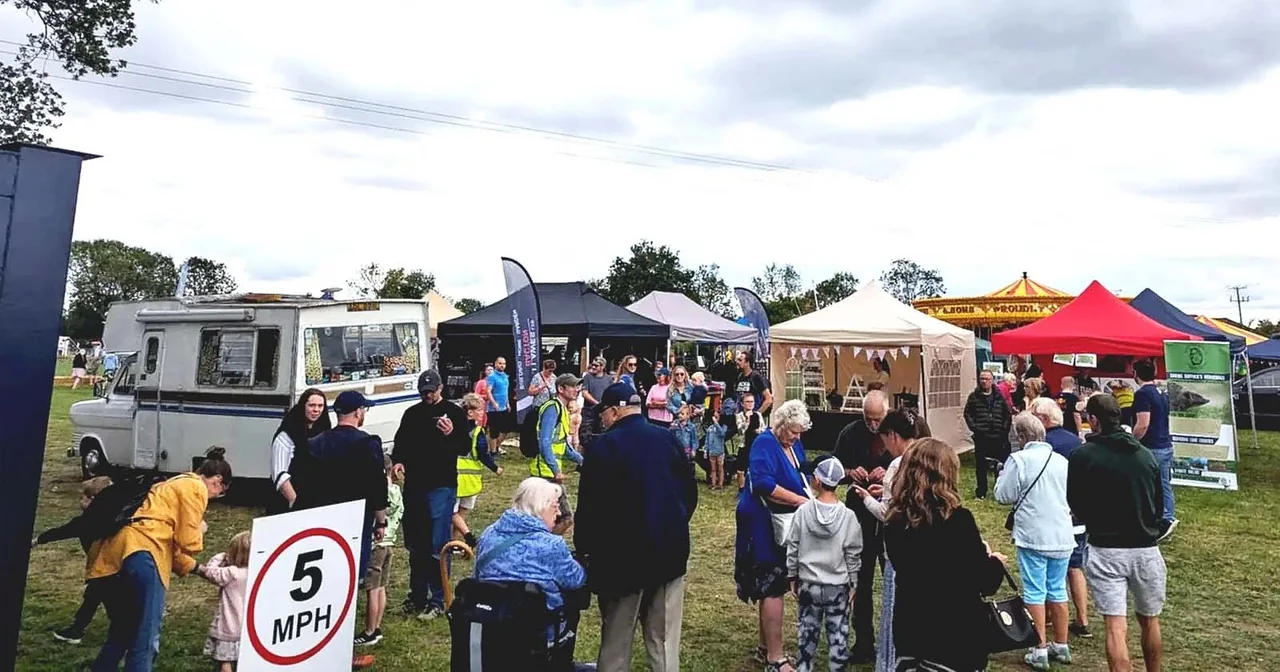
Our social post on 26 August drew attention to the area outside an event’s gates. A queue can bring together visitors, passing pedestrians, vehicles, deliveries and people who simply want to reach a neighbouring property. That space deserves its own planning conversation. A well-managed entrance is not just a search position or ticket check. It includes the journey towards that position and the conditions experienced by people waiting to enter.
Look beyond the entrance line
Start with the setting around the gate. Where will people arrive from, and where are they likely to gather before joining the queue? An entrance may sit beside a pavement, car park, transport stop or residential street. Each creates a interface with activities outside the organiser’s direct control. A site plan should recognise those connections, and the relevant parties need to understand how responsibilities will be coordinated.
Space that appears available during a quiet inspection may serve another purpose at event time. A delivery route can become busy, a neighbouring business may need its access and early visitors may gather before staff expect them. Consider those uses when choosing a queue arrangement. Avoid treating the external area as spare capacity that can be occupied without discussion. Clear communication with the people responsible for adjacent activities can prevent unnecessary conflict.
Give visitors information early
Visitors make decisions before they reach the ticket desk. They may need to know which entrance to use, what items are permitted and whether their ticket requires a route. Provide information through the event’s normal communications and repeat the relevant details near arrival points. Directions should be understandable to somebody unfamiliar with the site. Staff should know the same information, so people are not sent between entrances with instructions.
An unclear entrance can produce several queues instead of one understood journey. People may stop to ask questions while others attempt to pass them. Think about where enquiries can be resolved without blocking the flow. Information points, signs and appropriately briefed personnel can help, depending on the setting. The aim is to reduce uncertainty at a place where waiting, movement and verification are already competing for space and attention.
Plan how someone leaves the queue
Joining a queue should not make it difficult to leave. Someone may feel unwell, need a toilet, decide not to attend or realise they are waiting at the wrong entrance. HSE guidance highlights the importance of a safe way out of a queue without moving against the crowd or into vehicles. Consider that movement when discussing barriers and staffing, rather than assuming everyone who joins will continue directly to the front.
Accessibility needs should form part of the same discussion. Waiting and moving through a controlled route can present different difficulties for different visitors. Establish how someone asks for assistance and how the team responds without creating an improvised exception that disrupts the surrounding area. The appropriate arrangement depends on the venue and audience. Staff should understand the available options and avoid making assumptions about a person’s needs from appearance alone.
Match entry processes with arrival patterns
Ticket checks and search arrangements influence how quickly a queue moves. If several steps happen at one position, delays at that position can affect the space behind it. Consider the likely arrival pattern and the effect of transport delays or a sudden surge before a performance. The purpose is not to promise a particular processing rate. It is to understand where a hold-up would appear and how the team would recognise it.
Monitoring should include the people waiting, not just the people reaching the gate. Supervisors need timely information about pressure, blocked routes and changes in arrival patterns. Agree who can alter an arrangement and how that decision reaches the personnel involved. A crowded entrance is a poor place to discover that nobody knows who has authority to respond. Staff also need a way to raise concerns without leaving their position unmanaged.
Keep observation respectful
External queues can include people who are anxious, frustrated, unfamiliar with the event or accompanying someone else. Professional engagement should consider that context. An observation may justify a polite question or further assessment, but appearance and identity are not a basis for suspicion. Give staff clear escalation arrangements and support them in obtaining advice. The objective is an orderly, welcoming entrance where concerns can be addressed without making ordinary visitors feel unwelcome.
After the event, review the entrance experience using staff observations and appropriate feedback. Identify where directions were unclear, where visitors needed help and whether neighbouring activities were affected. Norvic can discuss external queue support as part of an event requirement, with responsibilities shaped around the setting. Begin the conversation early enough to consider the whole arrival area. An entrance works best when the people waiting outside receive the same attention as those already inside.