
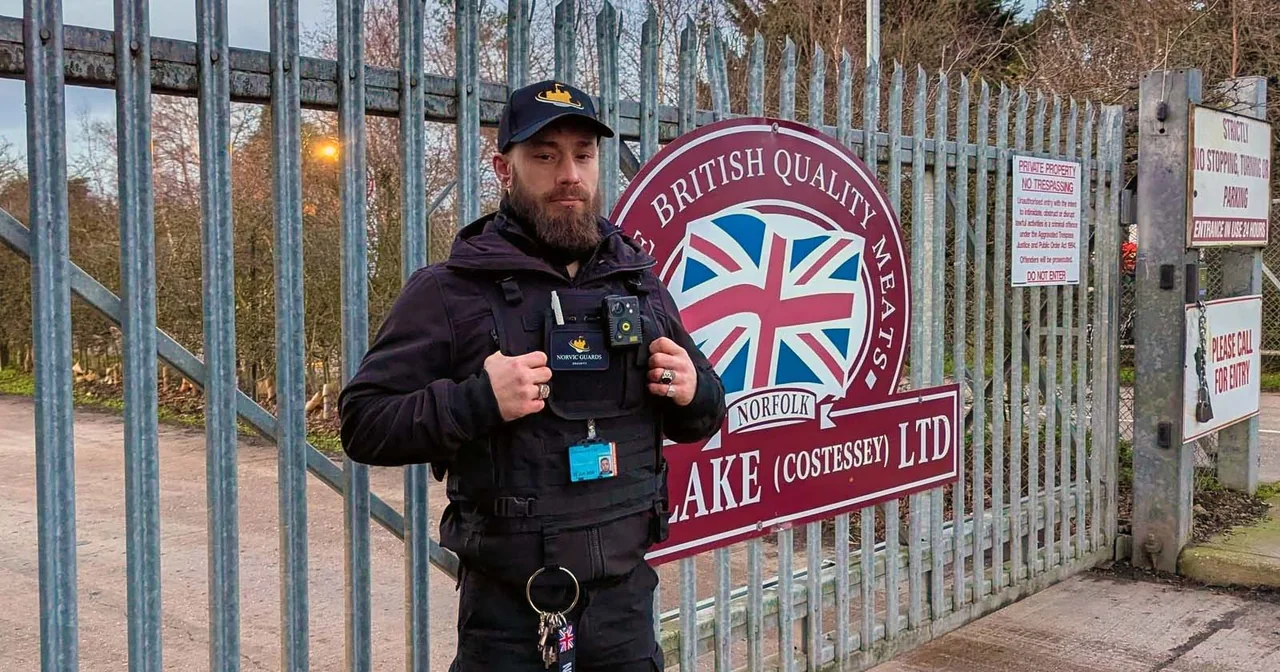
Our January 2026 social post set out eight areas to review when a business returns after a holiday period. The message followed our December reminder that a security plan should change as a site’s activities and working patterns change. Reopening is a useful moment to compare the arrangements on paper with the conditions people are returning to. The aim is a practical list of actions, with clear ownership and enough context for the team to follow through.
1. Review the incident record
Start with the information recorded while normal staffing or opening hours were reduced. Look for unresolved matters, recurring observations and questions that still need an answer. An apparently minor entry may become more meaningful when considered alongside another report. Distinguish confirmed facts from assumptions and check whether the appropriate person received the original information.
Speak with those who worked during the closure. Their experience may explain something a short written entry cannot. A useful review brings those accounts together without turning an uncertain observation into a definite conclusion.
2. Check access arrangements
Temporary permissions, keys and access instructions may have been introduced for holiday staff, contractors or deliveries. Check which arrangements are still needed and which should end. Confirm responsibility for any changes and make sure the people affected understand the updated process.
Consider whether the returning team has the information it needs. A door, entrance or working area may have been used differently during the break. Security instructions should describe the current arrangement rather than rely on habits formed before the closure.
3. Examine monitoring arrangements
Review whether cameras, alarms and other monitoring systems are operating as intended. A device being powered on is different from confirming that its information reaches someone able to act. Check the reporting route, the handling of faults and any outstanding maintenance questions.
Avoid assuming that additional equipment is the immediate answer to every problem. An unclear response process or an unresolved fault may be more relevant than the number of devices installed. Begin with what the system is intended to achieve.
4. Walk the physical environment
Inspect the areas relevant to the security plan, including entrances, boundaries and working routes. Look for changes caused by maintenance, deliveries, weather or temporary storage. A layout can alter without a formal change to the site plan.
Record observations precisely enough for the responsible person to find and assess them. A useful action describes the issue and location, identifies an owner and establishes how completion will be confirmed. “Check the perimeter” is less helpful than a clearly described concern.
5. Review staffing and briefings
Confirm that duties match the people and working patterns now in place. Returning staff, relief personnel and new contractors may need different information. Do not assume that everyone has seen a message sent while they were away.
A short briefing can cover changed contacts, outstanding issues and the route for questions. Give people an opportunity to raise uncertainty before they begin work. Clear responsibilities help prevent a task being overlooked because each person believes somebody else is handling it.
6. Check systems and dependencies
Security arrangements can depend on power, communications and access to current information. Consider what happens if one of those elements is unavailable. The team should know the agreed alternative and how a fault is escalated.
Where several suppliers are involved, confirm which organisation owns the next action. A fault can remain unresolved if each party assumes it belongs elsewhere. The review should make the handover between responsibilities explicit and keep the operational team informed.
7. Refresh procedures where needed
Compare written instructions with what actually happens on site. If the two differ, establish why before changing either. A workaround may indicate a practical issue that the existing procedure does not address.
Keep revisions understandable and communicate them to the people expected to use them. A new document has limited value if it remains in a folder while the duty team follows an older version. Record which information is current and where it can be found.
8. Confirm specialist follow-up
Some findings may require advice from an insurer, a competent safety professional or another specialist. Identify those questions and refer them through the appropriate route. A general security review should not pretend to settle matters outside the reviewer’s competence.
Finish by prioritising the actions that affect current operations, assigning owners and arranging a review date. Norvic can discuss your site, working pattern and the security support you need. The most useful outcome is a team that knows what has changed, what remains outstanding and how the next steps will be completed.
Keep the action list accessible to the people completing it. A focused, short follow-up meeting can confirm progress, resolve remaining questions and establish whether another review is needed after the site returns to its normal working pattern.