
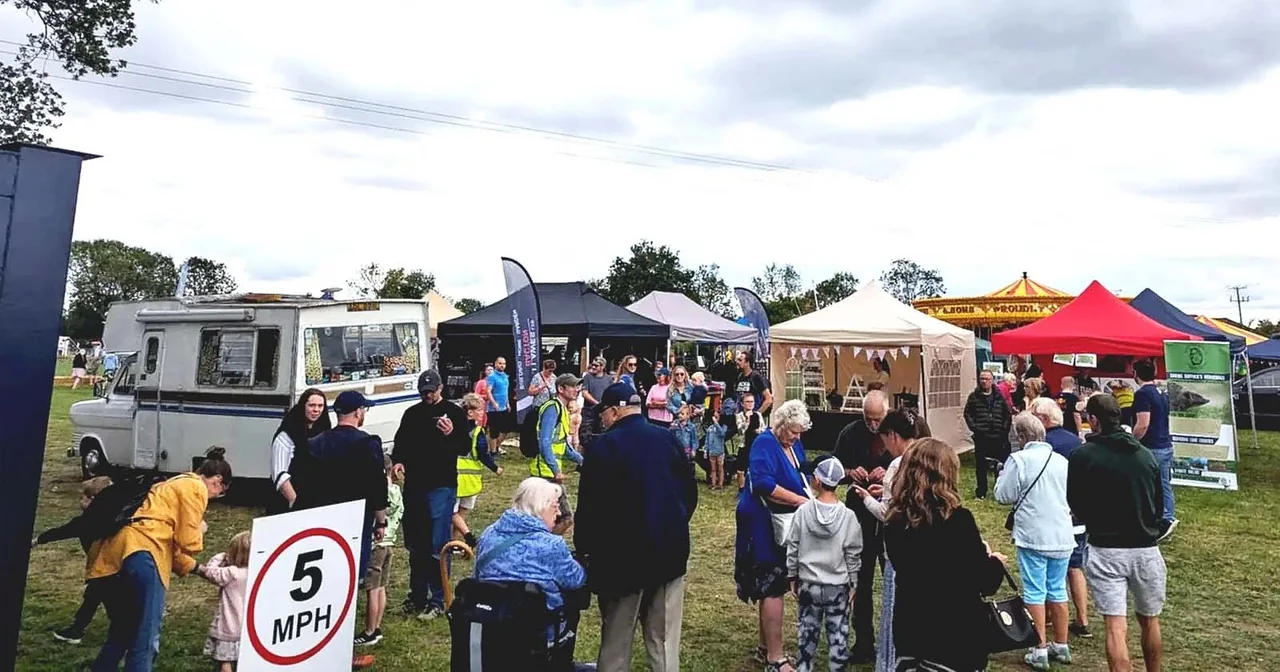
Norvic’s September 2025 social updates celebrated being part of the Reydon Green Man Festival. Community occasions like this bring together organisers, visitors, performers and local businesses around something they care about. They also remind us that good security begins with understanding the occasion. A family arriving for an enjoyable afternoon should encounter clear information and a welcoming atmosphere, supported by sensible preparation behind the scenes.
The original posts were brief snapshots of community involvement. This article develops the wider planning lessons for similar events, rather than claiming that every measure described here formed part of that particular assignment. Each organiser needs an approach suited to their location, activities and expected audience.
Start with the character of the event
A community festival can feel very different from a ticketed concert or a commercial exhibition. Visitors may know the organisers personally. Volunteers might be helping for the first time. Families may move between activities throughout the day, with no single arrival period. Security planning should reflect those patterns instead of applying a standard entrance arrangement without considering how people actually use the space.
The first conversation should cover the purpose of the event, the programme, the boundaries and who is responsible for each area. Organisers should explain where they expect crowds to gather and what has caused difficulties previously. Local knowledge can identify a narrow path, a confusing entrance or a delivery route that would otherwise be easy to overlook.
Make information easy to find
Visitors often approach a security officer because that person is visible and approachable. Questions may concern toilets, accessible routes, parking, timings or a lost item. A team brief should therefore include practical visitor information alongside incident procedures. Being able to answer a simple question accurately helps visitors feel comfortable and reduces unnecessary movement around the site.
Clear signs support that work. They should direct people before they reach a decision point, rather than leave them searching while others queue behind them. Where arrangements change, someone needs responsibility for updating both the signs and the people giving directions. Conflicting instructions can create frustration even when everyone is trying to help.
Agree how the team communicates
Small events still benefit from a clear communication structure. Volunteers should know whom to contact if they notice a problem, and security staff should know who can make decisions on behalf of the organiser. Routine questions should not overwhelm the route used for urgent assistance. Briefings need to be practical enough that people remember the essential information.
The plan should also explain how the team responds if its usual communication method fails. Mobile reception, battery life and background noise can all affect reliability. Testing arrangements before opening gives organisers time to fix problems. The aim is straightforward: the right information should reach the right person without avoidable delay.
Consider families and accessibility
A community audience includes people with different needs. Some visitors need extra time, a quieter explanation or assistance finding an accessible route. Officers should communicate respectfully and avoid making assumptions based on appearance. Asking how someone would like to be helped is often more useful than deciding for them.
Welfare arrangements deserve particular attention. Organisers should establish how lost children, vulnerable visitors and requests for first aid are managed, including who takes responsibility and where appropriate assistance is available. Security teams support that agreed plan within their role. Sensitive information should be shared only with those who need it to provide help.
Keep the plan responsive
A festival changes as the day progresses. A popular performance might draw people towards one area, while a change in weather can encourage visitors to shelter elsewhere. Teams should observe those changes and report developing issues early. Moving a barrier or changing a route should be coordinated with the organiser so it does not create a different obstruction.
Vehicle movements also need attention, particularly during setup and departure. Traders and contractors may be focused on getting equipment into place or packing away quickly. Clear timings, routes and responsibilities help separate those activities from public movement. Security should support the agreed arrangements without improvising changes that other teams do not understand.
Carry the learning forward
After an event, a short review can capture useful improvements while they are fresh. Which questions came up repeatedly? Where did visitors hesitate? Were the communication arrangements effective? Feedback from volunteers, security staff and organisers gives a fuller picture than an incident log alone.
Sharing that review with the next planning team also preserves useful local knowledge when volunteers or suppliers change between annual events.
Norvic’s Reydon update belongs in that wider story of supporting local occasions with professional, approachable people. If you are planning a community event, speak to us early about the setting, audience and practical support required. Good preparation helps everyone concentrate on the reason they came together.